Sbarro Menu Nutrition: Full List of Calories & Nutrition Facts
sbarro menu nutrition is your quick plan-your-order snapshot for US diners who want calories and facts before they pay. sbarro menu nutrition gives a short, scannable guide so you can spot calorie counts and major dietary values fast.
This hub lists estimated calories, serving sizes, and the top factors that change values from one visit to the next. Expect variations of about +/- 10% since these are based on standard serving portions. Questions about the nutrition calculator can be directed to Nutritionix.
Why serving size matters: New York–style slices vary in size and topping coverage, and that shifts calorie load and protein per bite. The guide highlights calorie density, protein, and overall dietary balance so you can aim for weight management, lower sodium, or higher protein without medical promises.
Quick take: this is a practical overview focused on food facts, not a lab-tested guarantee. Pricing changes by location; nutrition comes first here, with a planning table later to help you choose slices or a salad with confidence.
Sbarro menu nutrition overview for US diners
Quickly understanding calorie and serving details makes ordering easier and avoids surprise totals at checkout.
How to read estimated values
“Per slice” usually means one standard New York–style piece. That assumption helps compare items, but your actual serving may differ.
How to use estimated nutrition values and serving-size assumptions
- Use a calorie filter: set a target, compare items side-by-side, then add a drink and side to check the full meal total.
- Remember the +/- 10% range: slightly more cheese, extra tomato sauce, or a larger cut raises the numbers.
- Macro reality check: carbs come mainly from crust; fat and sodium rise with cheese and meats.
Why your calories and nutrition facts may vary by visit
Big drivers of change include topping distribution, cheese coverage, sauce ladling, bake time, and how staff portions slices. Ingredient swaps or supplier differences—especially for cheese and cured meats—also shift numbers.
| Item | Serving | Approx calories |
|---|---|---|
| Cheese slice | 1 slice | ~300 |
| Pepperoni slice | 1 slice | ~360 |
| Side salad | 1 cup | ~60 |
Plate tip: Pair a slice with a salad to add fiber and volume so you feel satisfied without overshooting your daily calorie goals.
Calories and nutrition facts highlights for popular Sbarro foods
Understanding how toppings and crust size affect calories clears up common ordering questions. Below are clear anchors and the key nutrients to watch so you can compare slices quickly.
What a standard slice means
Standard slice refers to a New York–style, large, foldable piece. Use this as a fair baseline when you compare slices across brands or locations.
Anchors for cheese and meat toppings
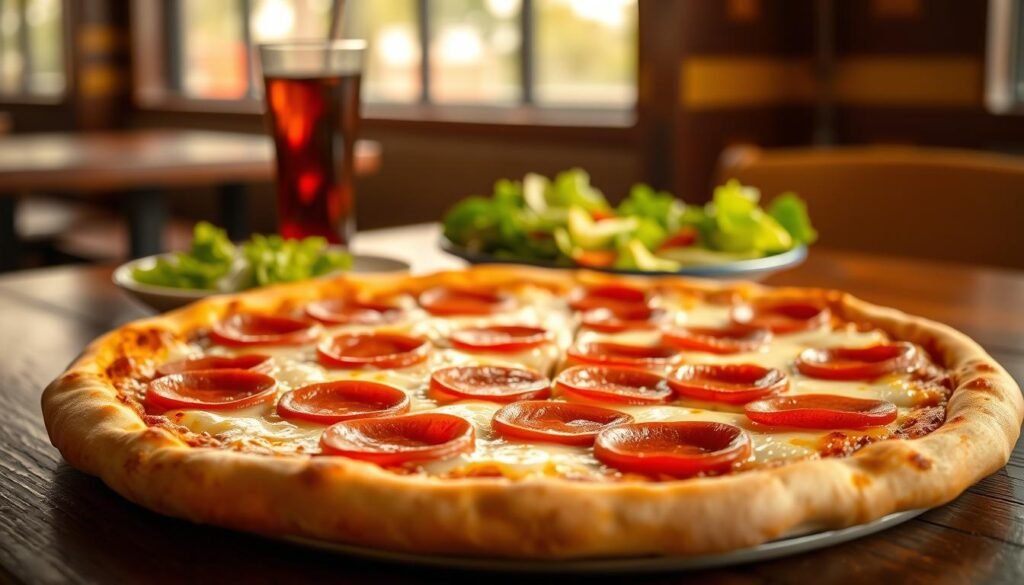
About 410 calories for a cheese pizza slice and roughly 460 calories for a pepperoni slice. Exact totals change with cut size and topping load.
How meats and crust change nutrients
Sausage and pepperoni raise fat and sodium quickly because cured meats add oil and salt. Protein rises too, but so do saturated fat numbers.
- Carbs: expect about 36–40 grams per NY-style slice.
- Watch list: sodium, saturated fat, protein, and dietary fiber.
- What shifts values: extra cheese coverage, heavier tomato sauce, double-topping zones, and uneven portioning.
| Item | Serving | Approx calories |
|---|---|---|
| Cheese slice | 1 slice (NY-style) | ~410 |
| Pepperoni slice | 1 slice | ~460 |
| Sausage slice | 1 slice | ~470–500 |
Planning a meal with confidence using Sbarro calorie and nutrition info
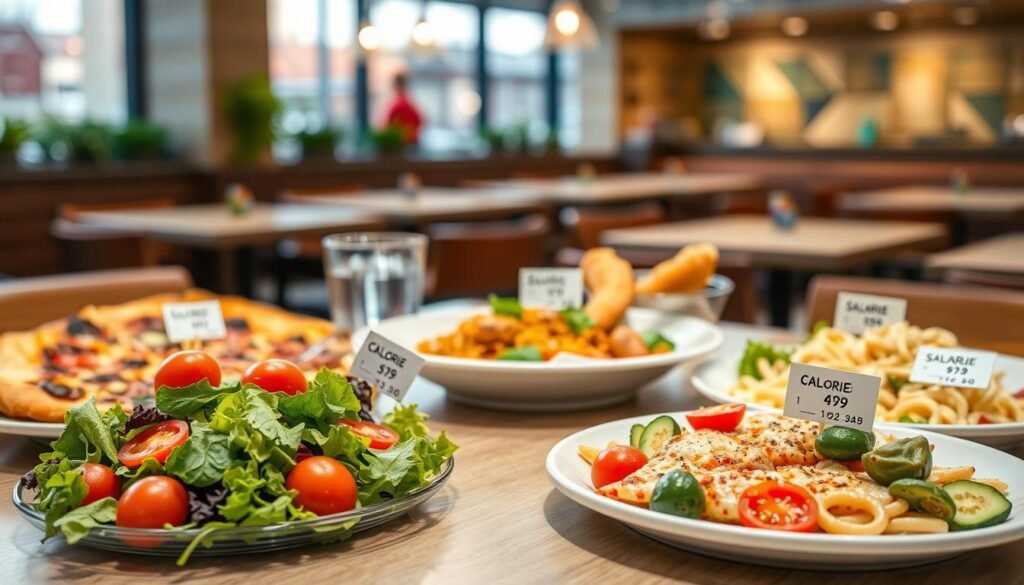
Start with a portion target and work outward—choose sides that add fiber and keep calories in check. For many adults, one slice fits a light meal and two slices can make a full meal. Totals vary by toppings: plain cheese sits lower, meat-topped slices push calories and fat higher.
Portion guidance
One slice is roughly 400 calories; two slices can reach 800–900 calories depending on toppings. Choose one slice plus a side if you want a lighter calorie day.
Build a more balanced plate
Add a crisp salad first to boost fiber and volume. Add peppers or other veggies and pick water or an unsweetened drink to avoid hidden calories.
Keto and low-carb expectations
Most slices have about 36–40g carbs, so they exceed typical keto targets. Strategies: share a slice, prioritize salad and protein, or pair a small portion with veggies.
Frequency and sodium
Cheese-heavy slices can supply ~20% of daily sodium per slice. Because of calorie and sodium density, enjoy these foods occasionally if you follow a low-sodium or calorie-focused diet.
Comparing slice size and using calorie targets
NY-style slices here tend to be larger than many fast-food pizza chains, which helps explain higher calories per slice. Use a calorie filter: set your light vs. full meal goal, then pick a slice plus a salad or side that fits.
| Item | Calories | Vegan/Keto/Gluten-Free | Allergens |
|---|---|---|---|
| Cheese slice | ~410 | No / No / No | Dairy, Wheat |
| Pepperoni slice | ~460 | No / No / No | Pork, Dairy, Wheat |
| Side salad (no dressing) | ~60 | Yes / Yes / Maybe | Depends on toppings |
| Veggie-focused plate (peppers, onions) | ~80–120 | Yes / Yes / Maybe | None typical |
Conclusion
Planning ahead makes it easy to enjoy pizza without surprises. Use the listed nutrition facts and watch slice size and toppings when you order.
The single biggest lever is topping choice. Choosing a cheese pizza over meat-topped slices like sausage cuts calories and fat quickly.
A simple default combo works well: one slice plus a salad. Add peppers or other veggies for volume and freshness. That adds fiber and protein without many extra calories.
Remember: tomato sauce and extra cheese can swing totals. Use photos or visible coverage to set expectations, and check restaurant tools when available.
With portion awareness and the facts at hand, you can enjoy favorite food and still meet your goals.