Food-Values _Jersey Mike’s Gluten Free Menu Options For All |
Craving a classic sub but need safer choices? The jersey mike’s gluten free menu offers Udi’s gluten-free sub rolls nationwide and lets many hot and cold items be made with that swap.
This guide is a practical buyer’s tool you can use before you order. It sets expectations: the shop serves gluten-free options, but it is not a dedicated facility. Your safety depends on location, staff execution, and how busy the line is.
What you’ll get: bread choices, typically safe orders, what to skip, and an exact ordering script to lower risk in a shared kitchen. The Food-Values approach gives simple, decision-ready breakdowns so you shop confidently.
Buyer beware: shared slicers, topping bins, and communal condiments are the biggest risks for cross-contact. Verify allergen details on the official website or allergen resources right before you go, since franchises and suppliers can vary.
What to Know Before You Order Gluten-Free at Jersey Mike’s in the U.S.</h2>
If you avoid wheat, the good news is most deli meats, cheeses, and veggies are naturally suitable—bread is usually the main issue. That makes a roll swap an effective first step when choosing safer options.
Why this restaurant can work, but isn’t dedicated
The chain offers Udi’s rolls at many locations, so the core ingredient question can be resolved before you eat. Still, the line is shared.
Shared counters, topping bins, slicers, and hands create cross-contact points. That is what “not dedicated” means in practice.
Quick pre-order and verification steps
- Check the official allergen and ingredients pages on the website the day you order.
- Call ahead to confirm Udi’s rolls are in stock and ask about handling steps.
- Note any sauces or seasonal items—these often contain hidden wheat.
Self-assess your tolerance. Someone with celiac disease needs stricter controls than someone avoiding wheat by choice. Use that to guide whether to dine in or pick up.
| Action | Why it matters | Easy script |
|---|---|---|
| Verify ingredients on website | Menus vary by location and time | “Can I check your allergen list and ingredients online now?” |
| Call ahead | Confirms stock and staff readiness | “Do you have Udi’s rolls and can staff follow gluten-free handling?” |
| Ask for handling steps | Reduces cross-contact risk | “Could you use new gloves, a clean board, and parchment?” |
Gluten-Free Bread, Sub Rolls, and Breadless Alternatives</h2>
A certified roll removes one ingredient question, but handling still matters at the counter.
Udi’s sealed rolls have been offered nationwide since 2017 and arrive individually wrapped. That makes them a practical swap for standard bread and one of the clearest products you can ask for when ordering.
“Certified” means the roll itself meets strict testing. It does not guarantee the prepared sandwich stays untouched during slicing, topping, or wrapping.
Choosing roll or bowl
Order a sub on a sealed roll if you want the classic sandwich feel. Ask staff to open the seal in front of you and use clean gloves and a clean board.
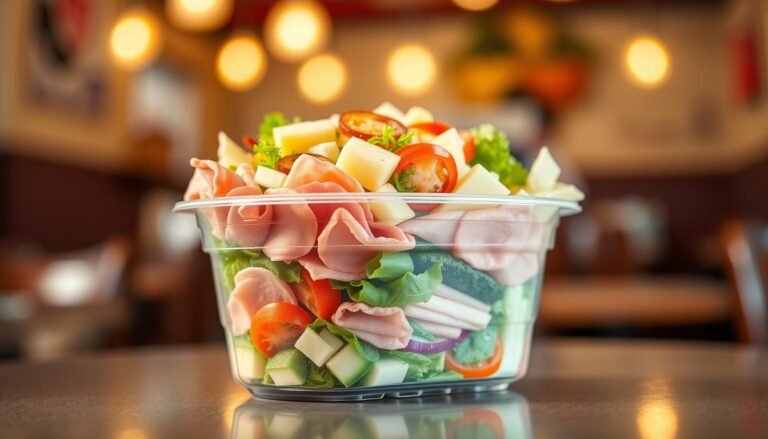
Choose the breadless bowl when you want fewer contact points. The bowl uses the same meats, cheese, and veggies from the menu, so flavor stays intact.
Availability script and ideal setup
- Ask: “Do you have the sealed rolls in stock and kept sealed until use?”
- Ask: “What times do rolls usually sell out?”
- Dedicated gluten-free prep would mean separate space, utensils, and toppings, though that varies by location.
jersey mike’s gluten free menu: What You Can Order</h2>
Begin by choosing cold, no-heat subs—those are the easiest to move to a sealed roll with minimal risk.
Gluten-free cold subs that can be made on a gluten-free roll
Cold options usually have the least contact with hot equipment. You can request a sealed roll and fresh gloves. Examples that work well when handled carefully:
- BLT — crispy bacon, lettuce, tomato
- Turkey & Provolone — simple and popular
- Club Sub — layered meats with familiar flavors
- Tuna Fish — creamy and ready to serve
- Original Italian — classic deli meats and oil
- The Veggie — cheese-forward and low risk
Hot subs and what to watch for
Hot items bring extra risk. Grills, spatulas, and shared pans cause cross-contact. Popular hot choices to ask about:
- Mike’s Famous Philly — rich flavor but cooked on shared grills
- Mike’s Chicken Philly and Chicken Cheese Steak — ask for a cleaned surface
- Chipotle Chicken Cheese Steak, Chipotle Cheese Steak, Buffalo Chicken Cheese Steak
- Big Kahuna Cheese Steak and Big Kahuna Chicken Cheese Steak — very flavorful but high-contact
Ask staff to wipe the grill, use a fresh spatula, and prepare your sandwich on parchment. That lowers risk.
Breakfast sandwiches and build-your-own guidance
Breakfast service moves fast. You can swap to a sealed roll, but confirm handling steps first.
For a DIY sub, pick freshly sliced meats and one handler. Choose provolone or American for simple cheese options. Veggies are safe, but note that communal bins are touched often.
| Item | Risk Level | Handling Tip | Best Pick |
|---|---|---|---|
| Turkey & Provolone | Low | Sealed roll, fresh gloves | Cold sub |
| Chicken Cheese Steak | Medium-High | Clean grill, separate spatula | Ask for back-cooked meat |
| Tuna Fish | Low | No grill contact, sealed roll | Safe pick |
| Big Kahuna Cheese Steak | High | Request wiped surface and new gloves | Skip if line is busy |
Best picks: go with cold subs like Turkey & Provolone, Tuna Fish, or The Veggie when the store has no dedicated prep area. These choices balance flavor and lower cross-contact risk.
Menu Items and Ingredients to Avoid on a Gluten-Free Diet</h2>
Some menu items carry hidden wheat that no bread swap can fix. Know these hard no choices so you do not waste time or risk exposure.
Subs that can’t be made gluten-free
The Meatball & Cheese and Chicken Parmesan contain wheat flour breadcrumbs in the fillings. These sandwiches cannot be made safe by changing the roll.
Toppings, sauces, and handling risks
Sauces and condiments often hide trouble. A squeeze bottle is lower risk when its tip never touches bread. Spreads that need knives, scoops, or shared utensils raise cross-contact chances.
- High risk: scoopable spreads and shared ladles.
- Medium risk: bottles that sometimes touch food surfaces.
- Low risk: sealed packets and oil/vinegar dressings you add yourself.
| Item | Why to avoid | Safer option |
|---|---|---|
| Meatball & Cheese | Breadcrumbs in filling (wheat) | Choose a cold sub on a sealed roll |
| Chicken Parmesan | Breaded chicken with wheat | Pick plain grilled chicken or turkey |
| Shared spreads | Knife and scoop cross-contact | Use single-serve packets or oil/vinegar |
For strict diets, verify ingredients at the counter and avoid busy times when staff rush. When safety matters most, skipping certain items or visiting during slow hours is a smart choice.
Cross-Contact Risk and Jersey Mike’s Gluten-Free Protocols</h2>
Cross-contact happens when trace crumbs or shared tools turn a safe ingredient into a hazard. In a sandwich restaurant context, the problem is often workflow, not the recipe.
Typical protocol steps look like this: fresh gloves, a slicer wipe-down, sandwich built on parchment paper, a dedicated knife, and a clean wrap labeled “GF.” These measures cut common risk points when people follow them.
- Why protocols vary: a chain can train, but execution depends on staff, shift pace, and daypart.
- Separate station note: some locations have a dedicated space; many do not, or they repurpose it when busy.
- Common failure points: slicer residue, shared topping bins, condiment bottle tips, and rushed line work.
| Step | What to watch | Why it matters |
|---|---|---|
| Glove change | Fresh gloves before slicing | Prevents transfer from hands to food |
| Parchment & paper | Build on clean paper | Creates a barrier from counters |
| Slicer wipe | Visible clean wipe-down | Removes crumb residue |
If you have celiac disease, require staff to commit to each step before you order. For non-celiac sensitivities, a careful staff and off-peak visit may reduce exposure risk. The goal is confident ordering; if the restaurant can’t meet your needs, choose an alternative that does.
How to Order Gluten-Free at Jersey Mike’s With Confidence</h2>
A calm, clear ask at the register sets the tone for safe handling and a better meal outcome.
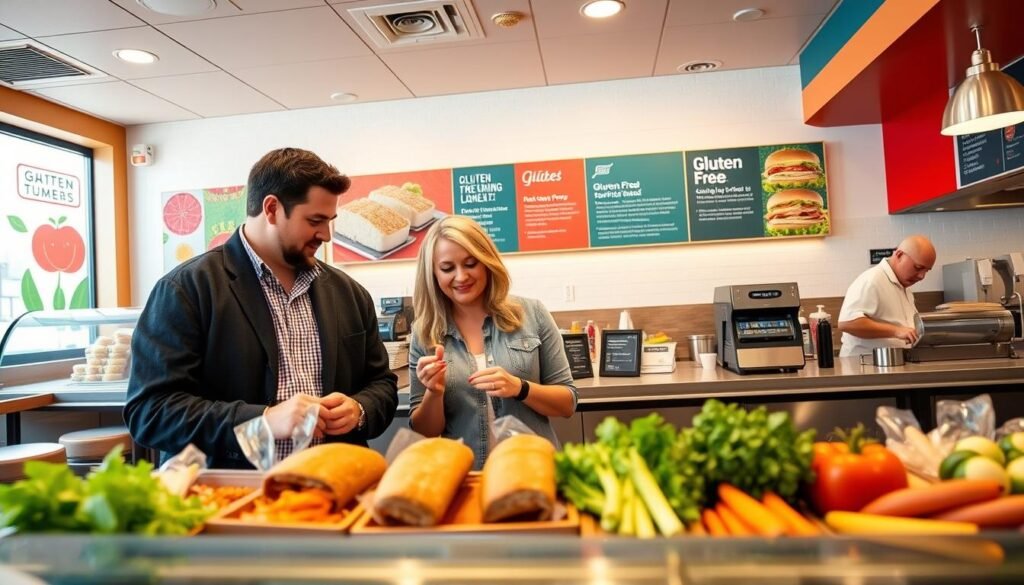
Counter script to use
Say: “I need strict gluten free handling. Do you have a dedicated gluten-free station today?”
Step-by-step if no dedicated area
- Ask staff to wash hands and put on fresh gloves.
- Request a visible slicer wipe-down and a clean board with parchment.
- Ask for one person to handle the order start-to-finish.
Fresh ingredients and glove changes
Request fresh lettuce, tomato, and onion from the back to avoid bin contact. Phrase it simply: “Could you grab fresh toppings from the back?”
Key glove swaps: before slicing meats/cheese, after touching shared seasonings, and before cutting/wrapping.
Handling oil, vinegar, and seasonings
Oil and vinegar are fine, but watch bottle tips. Ask for a glove change after seasoning. This keeps oil from spreading crumbs.
Handoff checks and red flags
- Check for clean paper, visible “GF” label, and a dedicated knife used.
- Walk away if staff seem unsure, refuse a slicer wipe, or multiple people touch your sandwich.
| Check | Why | Action |
|---|---|---|
| “GF” label | Confirms special handling | Ask staff to mark wrap |
| Single handler | Limits cross-contact | Request one person finish order |
| Slicer wipe | Removes residue | Ask to see it done |
Before you go, confirm ingredients on the jersey mike website. In-store process determines whether your food stays gluten free.
Gluten-Free Sides, Chips, Desserts, and Drinks</h2>
Sealed snacks and single-serve treats are often the easiest way to add a risk-controlled side.
Chips are commonly offered, but brands and flavors rotate by franchise and region. That means what you see one day may not appear the next. Always check the package label rather than assume a snack is safe.
What to expect from packaged sides and sweets
Packaged chips and cookies are usually lower risk because they stay sealed until handed to you. Some locations carry branded gluten free cookies like Udi’s, but availability varies.
When ordering breakfast at participating locations, skip sides that share prep surfaces during the morning rush. Fast workflows increase contact points.
- Label-read: Check ingredients and allergen statements on the package.
- Ask: Confirm with staff if a product is held with other open items.
- Drinks: Fountain beverages and bottled drinks are generally safe; watch ice scoops and dispenser touchpoints.
| Item | Why safer | Handling tip | Typical availability |
|---|---|---|---|
| Packaged chips | Sealed until sale | Check label for allergy notes | Common; brands vary by location |
| Sealed cookies (Udi’s) | Brand-tested product | Ask before assuming presence | Occasional; location-dependent |
| Bottled drinks | No open handling | Pick from sealed stock | Widely available |
| Fountain drinks & ice | Usually gluten free | Avoid shared ice scoops or ask staff | Standard in most restaurants |
Buyer confidence comes from quick verification: sealed chips plus a checked drink often make a complete, low-risk meal addition. Ingredient lists and allergen statements change, so confirm every visit—especially when trying new products.
Conclusion</h2>
A simple order and visible handling make a safe sandwich possible at many locations.
Pair a sealed roll or a bowl with plain meats and cheese for the best outcome. Choose cold subs or a build-your-own bowl to limit contact points.
Ask the team to follow a clear process, use fresh gloves, and prep on clean paper. Pause the line if you need them to show the steps.
Make this a repeatable routine: when one spot gets it right, return there for quick, reliable gluten free meals. You can still enjoy a great sub—just be intentional about your toppings and who touches your order.
Safety first: if anything feels off, walk away and pick another option. Your health matters more than finishing a sandwich.