Jersey Mike’s Allergen Menu: [Ingredients & Options]
Jersey Mike’s allergen menu is a quick reference that shows common ingredients and safer ordering paths. In short: it lists which items contain major allergens and how cross-contact can occur, so you can pick safer options.
This guide covers ingredient visibility, smarter choices at the counter, and simple scripts to use when you order. It is not medical advice, but it helps you plan a safer visit.
Expect shared-kitchen risks. Fresh slicing and a fast line mean cross-contact can happen. Verify details with staff at your local store because ingredients and sourcing change by region.
Most concerns focus on the big four: wheat/gluten, egg, milk/dairy, and soy. These show up in breads, spreads, and prep tools, so knowing labels and asking staff matters.
This short buyer’s guide will show how to use the online tool, what to order or modify, and what to avoid when uncertainty remains. It focuses on U.S. locations and highlights practical, action-oriented steps.
How to Use Jersey Mike’s Allergen Tools Before You Order
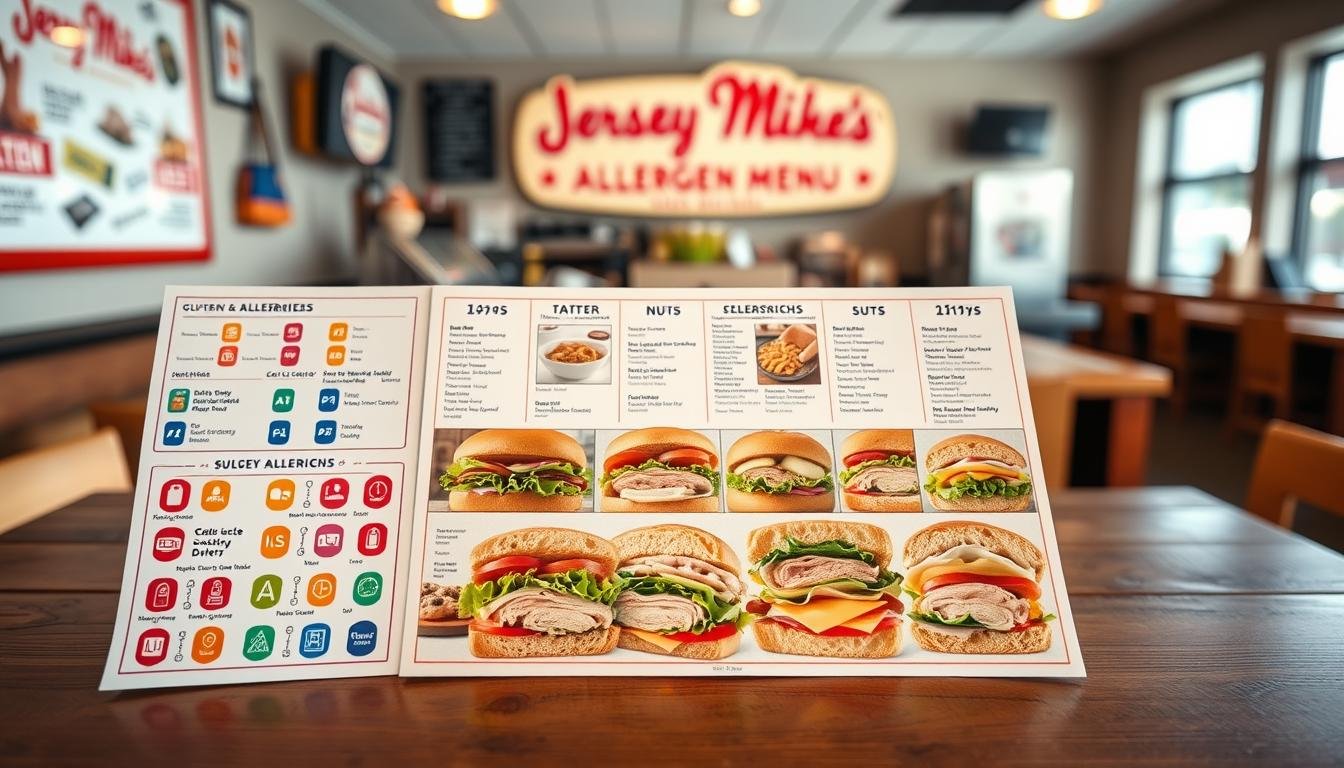
Start at the interactive Nutrition + Allergen Info page on the jersey mike website to preview exact ingredients and allergen flags for any build.
Find the tool and pick your item
Open the brand website and look for the “Nutrition + Allergen Info” link in the footer or main navigation. Use the tool as the fastest pre-order check from home.
- Select a category (Cold Subs, Hot Subs, Kids, Salads).
- Choose the exact sub and size so the panel shows the real build.
- Toggle bread, cheese, and spreads to see changes in wheat, egg, milk, and soy flags.
Use the ingredients list and save your result
If a flag is unclear, open the full ingredients list; it is the tie-breaker for sensitive diners.
Make sure to save a screenshot of your specific build. In-store teams may not have time to pull every label, so a saved image speeds verification.
Why labels can change by location
Ingredients vary because of regional sourcing, limited-time items, and local purchasing. Confirm high-variability items in person — check the package or ask for the Teriyaki sauce and Natural Turkey ingredient statement.
| Category | What to select | Why it matters |
|---|---|---|
| Cold Subs | Exact sub + size | Reflects slices, toppings, and spread allergens |
| Hot Subs | Toggle cheese/sauces | Heating can change cross-contact risks |
| Salads/Bowls | Remove croutons/choose dressing | Reduces wheat and egg exposure |
Remember: treat the online tool as your first filter—not a guarantee of safety. Use it to narrow choices and then confirm ingredients in-store when needed.
Allergen Safety in Real Stores: What to Know About Cross-Contact Risk
When you step up to the counter, the biggest concern is how allergens move between tools and surfaces. Cross-contact means a food that is safe by recipe can pick up traces of an allergen from shared equipment.
Shared slicers matter: meat and cheese are often sliced on the same machine. That blade and platter can transfer milk proteins to deli meats. A company rep confirmed slicers are sanitized per health rules, but not between every use. That creates a real risk for people avoiding dairy or cheese.
Gluten-free is not automatic: a gluten-free roll lowers wheat exposure, but it doesn’t guarantee celiac-safe service in a busy kitchen. Some stores post protocols like wiping slicers, changing gloves, or using parchment. These help, but they don’t cover every touchpoint.
High-risk touchpoints to watch
- Communal toppings bins and squeeze bottles handled mid-rush.
- Knives, cutting boards, and shared slicer surfaces.
- Gloves touching bread then reaching into lettuce or condiments.
Ordering online can help with clear customization and less rush. But it can also reduce your real-time control over glove changes and surface handling. If your allergy is severe, speak to staff early and ask for a manager. If the store can’t accommodate, choose a simpler order or leave.
Make sure you ask questions—staff expect them, and protecting your health is the priority. A calm request for clean gloves, a wiped slicer, or a labeled wrap can keep you safer without slowing the line.
| Situation | Action | Why it helps |
|---|---|---|
| Shared slicer use | Ask for meat/cheese to be pre-sliced or wrapped separately | Reduces dairy transfer from blade |
| Busy line | Request fresh gloves and a clean surface | Cuts cross-contact at high-touch points |
| Gluten-free request | Confirm local GF steps and labeled wrap | Clarifies wheat control, but not exhaustive |
jersey mike’s allergen menu: What’s Usually Safe vs. What Needs Customization
Before you order, it helps to separate items that are usually ingredient-safe from those that need a quick tweak. This makes choices faster and reduces guesswork at the counter.
Common allergens to watch
Wheat mainly comes from bread and wraps. Many stores offer a gluten-free bread, but note it contains egg.
Egg hides in mayo-based mixes like tuna and chicken salad and in dressings such as Thousand Island.
Milk is obvious in cheese, but croutons and some crunchy add-ons can also contain dairy. Soy appears in some salad mixes and canned tuna.
Bowls as a practical backup
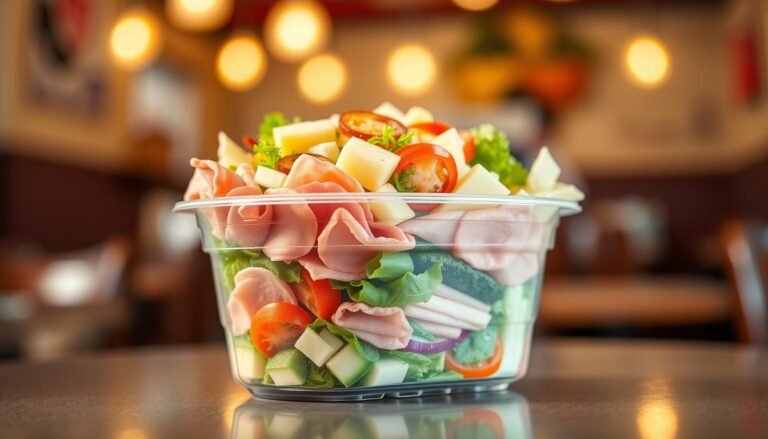
Choosing a bowl removes bread from the equation and lowers wheat risk. During busy hours, a bowl reduces contact with slicers and bread stations.
Surprises and quick habits
- Skip visible cheese to control dairy, but ask about shared slicer use.
- Watch for mayo mixes (tuna, chicken) and flavored mayos (chipotle) for egg and soy.
- Check spreads and crunchy toppings first—these often hide allergens.
| Item | Usually Safe | Needs Customization |
|---|---|---|
| Cold sub (no cheese) | Yes by ingredients | Request wiped slicer / fresh gloves |
| Bowl | Lower cross-contact risk | Confirm dressing ingredients |
| Tuna or Chicken Salad | No (contains egg) | Ask about soy in tuna and swap if needed |
Tip: Use the online tool to confirm exact ingredients, then verify prep steps in-store if you are highly sensitive.
Gluten-Free at Jersey Mike: Bread, Bowls, and What to Ask For
If you need to avoid wheat, the roll choice is only the first step toward a safer order.
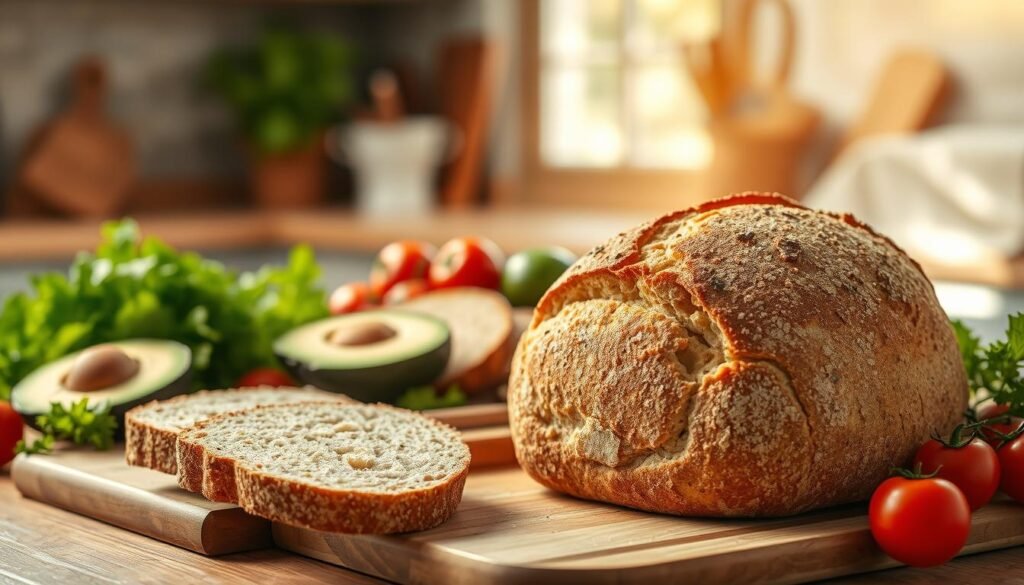
What gluten-free means in practice: swapping the roll lowers wheat exposure, but cross-contact during prep decides if a sandwich is safe for celiac diners.
Gluten-free bread basics
Udi’s gluten-free sub rolls have been offered nationwide since 2017. The roll is a helpful option, but gluten-free bread contains egg, so check if egg is a concern.
Protocols you can request
- Wipe or move the slicer before use.
- Change gloves and wash hands.
- Use parchment on a clean tray and a dedicated knife.
- Wrap and label the order “GF.”
Extra celiac steps
Ask staff to pull fresh toppings from the back, keep condiments separate, and have one person complete the build end-to-end.
| Situation | Low-drama option | Why it helps |
|---|---|---|
| Busy line | Order a simple turkey sub on GF bread | Fewer toppings reduce contact points |
| High sensitivity | Choose a bowl instead of a sandwich | Avoids slicer and bread station |
| Unclear protocol | Ask if there is a dedicated GF station | Clarifies real-time practices |
Make sure to order off-peak when possible and weigh convenience against sensitivity—sometimes the simplest build or a bowl is the safest choice.
Dairy-Free Ordering Guide: Subs, Bowls, and Ingredient Watchouts
You can make most cold and hot subs dairy-free by skipping cheese and choosing oil-based finishes. Start with a clear request: “No cheese, please.” Then pick veggies and an oil & vinegar or mustard finish for bright flavor.
Cold subs: quick dairy-free wins
Order any cold sub without cheese and ask staff to use fresh gloves. Add grilled peppers, pickles, and banana peppers for texture. Ask about shared slicers if you have a severe milk allergy.
Hot subs and sauces
Skip cheese on hot sandwiches and avoid creamy spreads. Many creamy sauces touch cheese during prep. Choose mustard or oil instead to cut dairy risk.
Dressings and the egg overlap
Oil & Vinegar and Honey Mustard are reliable dairy-free dressings. Thousand Island, mayo, chipotle mayo, tuna, and chicken salad contain egg — watch for this overlap.
| Item | Quick Move | Why it helps |
|---|---|---|
| Cold sub | No cheese + oil & vinegar | Removes dairy and adds flavor |
| Hot sub | No cheese + mustard | Avoids melted cheese and creamy cross-contact |
| Salad/Bowl | Choose Honey Mustard or Oil & Vinegar | Low dairy risk; confirm soy in dressings |
Tip: Say “I have a dairy allergy” rather than “dairy-free preference.” That helps staff take prep steps seriously and reduces cross-contact risk.
Vegan Options and Plant-Based Builds That Still Feel Like a “Real Sub”
Choose a veggie-forward build and bold condiments to make a plant-based sub feel hearty and satisfying.
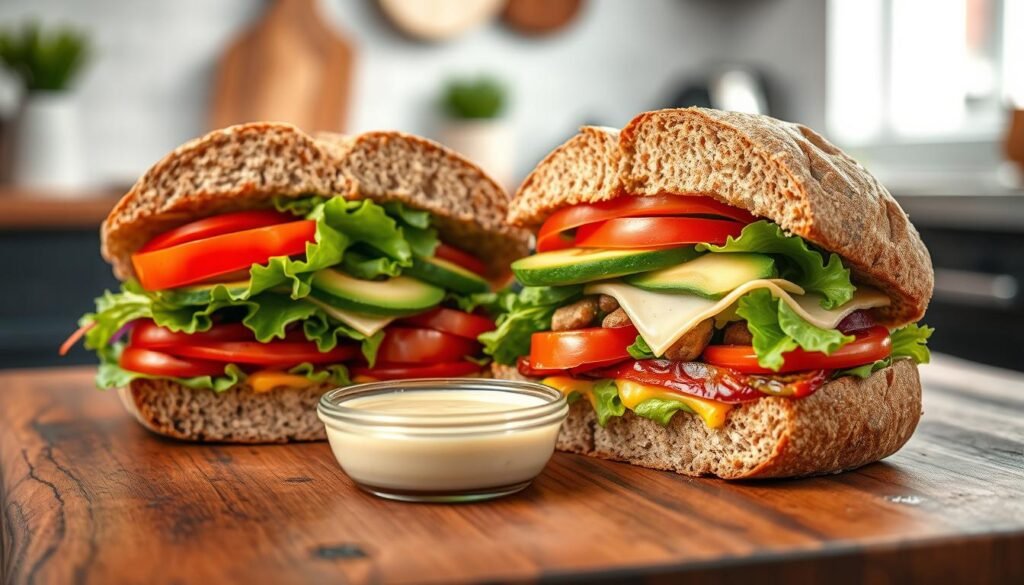
Start with the core: order The Veggie without cheese. That base gives a full sandwich feel and makes customization easy.
The core vegan order: The Veggie without cheese
Pick The Veggie and ask for no cheese. Add avocado or grilled onions to add creaminess and warmth.
Keep it stacked with banana peppers or jalapeños for bright heat. These keep the bite interesting without dairy.
Vegan-friendly breads and wraps; the wheat bread honey note
Most breads and wraps are wheat-based. Note: the wheat bread contains honey, so it is not vegan.
Choose another wrap or confirm ingredients if strict vegan rules matter. Also watch cross-contact at the prep station.
Vegan sauces and toppings that add flavor without dairy
Pick from BBQ, Buffalo, hot chopped pepper relish, yellow or spicy brown mustard, or an olive oil blend with red wine vinegar.
These oil-based finishes add fat and tang so the sandwich doesn’t feel dry.
- Build-focused tip: layer oil, relish, peppers, and avocado for texture and heft.
- Allergy note: vegan does not remove wheat or shared-prep risks—ask staff about handling.
| Item | Why it works | Notes |
|---|---|---|
| Core Order | Veggie no cheese | Best base for vegan options |
| Bread/Wrap | Wheat options common | Wheat bread contains honey — not vegan |
| Sauces | BBQ, Buffalo, mustard, oil | Use oil & vinegar for richness |
| Texture Boosts | Avocado, grilled onions, peppers | Makes it feel like a real sub |
Quick order template: “Veggie sub, no cheese, avocado, grilled onions, hot chopped pepper relish, oil & vinegar — please use fresh gloves.”
Best Menu Picks by Sub Style: Cold Subs, Hot Subs, Kids Meals, and Salads
Use this quick shopping list to pick safe, simple orders by category and cut decision time at the counter. The choices below favor builds with fewer mixed ingredients, easy swaps, and clear prep steps.
Cold subs that are easiest to customize for allergens
Pick single-protein subs like the Jersey Shore Favorite or roast beef. They keep toppings and spreads simple. Ask for “no cheese” to remove dairy.
Watch tuna and chicken salad: both use mayo. Swap to oil & vinegar to avoid egg.
Hot subs people ask about most
Popular hot options include Big Kahuna Chicken, Mike Famous Philly, and Chicken Philly. Ordering “no cheese” cuts dairy risk on these builds.
Be cautious with chipotle chicken and buffalo chicken styles. Sauces can contain egg. Use the online ingredient tool or confirm in-store.
Kids meals: simple swaps and dessert notes
Modify kids subs by removing cheese. Request plain bread or a bowl instead. Note the kids cookie contains milk; swap it if you need dairy-free.
Salads and bowls as a reliable option
Bowls remove the bread variable and lower cross-contact with slicers. Ask for no croutons to avoid hidden dairy.
| Item | Quick Move | Dietary Flags | Common Allergens |
|---|---|---|---|
| Jersey Shore Favorite | No cheese; oil & vinegar | Easy to customize | Wheat, Dairy (if cheese) |
| Roast Beef | Simple protein; no cheese | Low-mix | Wheat, possible soy |
| Tuna Salad | Swap dressing; ask about soy | Mayo-based | Egg, Soy, Wheat |
| Chicken Salad | Choose oil or a plain chicken | Mayo-based | Egg, Wheat |
| Big Kahuna Chicken | No cheese; confirm teriyaki | Spicy option | Wheat (sauce), Dairy |
| Mike Famous Philly | No cheese; mustard or oil | Classic hot sub | Wheat, Dairy |
| Chicken Philly | No cheese; check sauce | Grilled protein | Wheat, Dairy |
| Chipotle Chicken Style | Ask about chipotle mayo | Bold flavor | Egg (mayo), Wheat |
| Buffalo Chicken Style | Pick oil-based finish | Spicy, tangy | Egg (some sauces), Wheat |
| Super Sub | No cheese; simple toppings | Hearty classic | Wheat, Dairy |
| Grilled Pastrami | No cheese; mustard | Protein-forward | Wheat, possible soy |
| BBQ Beef | Confirm sauce ingredients | Sweet finish | Wheat (sauce), Dairy |
| California Chicken | No cheese; avocado | Fresh toppings | Wheat, Dairy (if cheese) |
| Stickball Special | Simple swaps | Regional favorite | Wheat, Dairy |
| Salad / Bowl | No croutons; dressing on side | Best for control | Depends on dressing (egg, soy, dairy) |
Quick tip: confirm regional items like teriyaki or locally sourced turkey before ordering. When in doubt, a simple sub or a bowl is the safest path.
Sides, Chips, and Extras: What to Add (and What to Skip)
A bag of chips feels safe, but not every side is equal for people avoiding common allergens. Factory-sealed chips are usually lower cross-contact because they’re packed off-site and handled less in-store.
Choose sealed chips and bottled drinks when you want to reduce line-level contact. Ask staff to open items away from the prep area if you are very sensitive.
French fries, where offered, often carry a wheat warning because some fry batters or shared fryers contain wheat. Don’t assume fries are automatically safe for celiac or wheat avoidance.
Flavor add-ons and small risks
Hot chopped pepper relish is a handy, low-risk way to add heat. Oil & vinegar is a reliable finish that keeps flavor without dairy or egg.
Seasoning shakers and shared containers can add cross-contact. Ask for fresh gloves before toppings are handled.
- Quick pick: sealed chips + bottled drink = minimal contact.
- Want heat? choose chopped pepper for flavor, ask staff to use clean utensils.
- Dairy-free dessert: options are limited; the gluten-free cookie contains milk.
| Item | Why it’s safer | Watch for |
|---|---|---|
| Factory-sealed chips | Packed off-site, minimal handling | Check bag ingredients for regional brands |
| French fries | Warm, popular side | May contain wheat or share fryers |
| Hot chopped pepper relish | Adds heat without dairy | Request clean spoon or gloves |
| Oil & vinegar | Bright, dairy-free finish | Confirm oil type if you have specific concerns |
Tip: Brands vary by location—especially Salt & Vinegar chips—so read the bag label if dairy or other ingredients matter. Use these simple choices to lower cross-contact risk when you order from the menu.
Ordering Playbook: Scripts and Checklists for Allergen-Friendly Orders
A calm, copy-ready opening line speeds safe handling and reduces confusion. Use it to set expectations so the team knows you need extra care.
What to say first
Script: “I have a severe allergy/celiac disease — can you help me prevent cross-contact?”
Then state the trigger and ask for the controlled build steps below.
Controlled build checklist
- Clean gloves and washed hands.
- Wiped slicer or pre-sliced product.
- Parchment barrier on a clean tray and a dedicated knife.
- One employee completes the order and wraps/labels “GF” when needed.
Slicer and regional ingredients
If you avoid dairy, ask whether the slicer touched cheese recently. For wheat concerns, request a wiped slicer and fresh gloves before slicing.
To verify Natural Turkey or teriyaki, ask to see the package label and confirm the ingredients against the website. If the store is rushed or unsure, pick a bowl or sealed snacks — or leave. You are the final judge of your safety; make sure to be concise, thank the staff, and walk away if it feels risky.
Conclusion
Finish strong by focusing on practical controls that make a sub order predictable and safer.
Combine the online Nutrition + Allergen Info tool with simple in-store requests. Check the build, save a screenshot, and confirm key ingredients before you order.
Top controls: pick the right bread or choose a bowl, skip cheese or mayo when needed, and ask for fresh gloves and a wiped slicer. Choose lower-complexity subs for faster, more consistent results and avoid surprise add-ons like croutons or mayo-based mixes.
Remember that shared equipment can move traces between items. If you are highly sensitive, ask to speak with a manager.
Next step: review the tool, save your build, then use the ordering script from this guide and place your order with confidence.